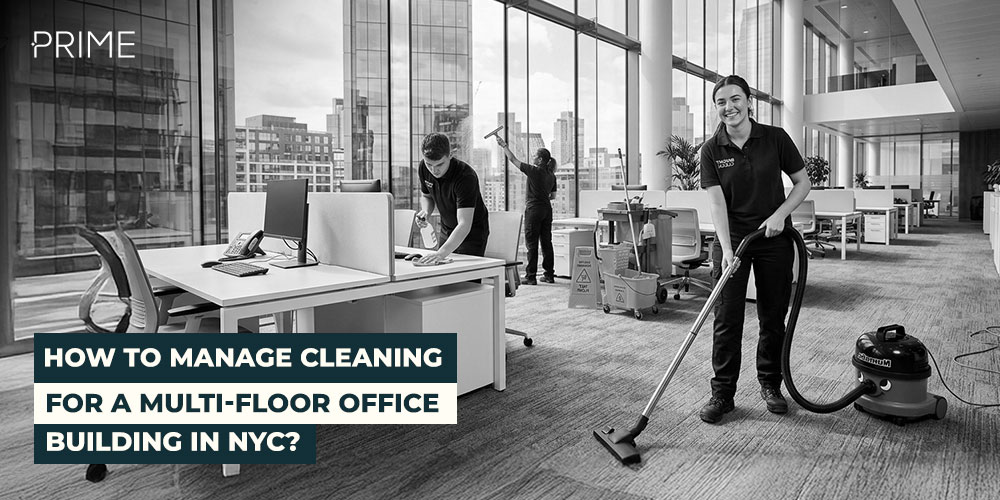

Multi-floor offices in New York City (NYC) function in full capacity. With people constantly walking in and out of buildings, dirt piles up in every corner. To ensure they remain clean year-round, janitorial help may not be enough.
It will require a clear cleaning routine to manage high foot traffic, especially in lobbies, restrooms, and breakrooms. Moreover, these offices have various tenants whose upkeep practices may vary. While some tenants may prioritize cleaning workstations multiple times a day, others may require after-hours maintenance.
To meet everyone’s hygiene expectations, a well-planned cleaning strategy can make a difference. Building managers may involve professional cleaners to provide a proper cleaning structure. Their experience in tidying up spaces can speed up the cleanliness routine.
Furthermore, you can schedule professional cleaning at your convenience to keep dirt away from your office. Using green cleaning products, they will wipe down every surface without compromising on employees’ health. It will ensure your building complies with the city’s cleanliness protocols, fostering trust, efficiency, and satisfaction among staff, clients, and business partners.
If you’re wondering how to manage cleaning for your multi-floor office building, then you’ve come to the right place.
This blog will explore multi-floor office cleaning in NYC, focusing on zones and schedules. It will further discuss the challenges of cleaning multi-floor offices and best practices to overcome them.
Why Cleaning Multi-Floor Office Buildings in NYC Is Challenging?
Multi-floor offices in NYC experience high foot traffic, making janitorial work more complex. But the fast pace and dense occupancy in these buildings come with varying needs. For this reason, maintaining consistent cleaning standards without disrupting daily operations is a challenge.
Here are the daily cleaning challenges of cleaning NYC’s offices with multiple floors:
Seasonal Impact
Unpredictable weather conditions affect NYC’s high-rise office buildings. During winter, lobbies experience endless cycles of moisture that comes from the walkways. Continuous moisture settling can deteriorate floors, leading to costly repairs.
By implementing effective cleaning practices, such as day porter services, offices can ensure better floor care during business hours. They can track and mop the moisture off the floors to prevent accidental falls.
Diverse Tenants Needs
Coordinating with maintenance crews is a significant challenge for multi-tenant building cleaning. A medical office may occupy two floors, while a tech startup has offices on one floor. Cleaning preferences and frequency may vary from tenant to tenant.
The medical office may demand hospital-grade disinfection to meet standard protocols. On the other hand, the tech startup may look for low-noise cleaning tools to ensure distraction-free upkeep. Coordinating these varying needs is a constant logistical exercise in any business environment.
Constant Building Use
Specific areas of NYC offices experience constant use during business hours. It includes stairwells, elevators, and corridors. The frequent foot traffic makes these areas practically impossible to deep clean without prior scheduling.
It is therefore essential to implement a combination of daytime and nightly cleaning routines. To address the real-time mess, day porters can be effective. On the other hand, nighttime cleaners can thoroughly clean lobbies, workstations, or restrooms to prepare them for workers the next day.
How to Manage Cleaning for a Multi-Floor Office Building in NYC?
After understanding the challenges with cleaning multi-floor offices, it is essential to find the right approach to make it work. While some prioritize restroom/breakroom maintenance, others may want the entryways to sparkle. Facility managers often find it difficult to keep up with changing needs, which is when they consider zone-based cleaning.
Besides dividing the massive building into different zones, facility managers should combine effective scheduling. You can implement cleaning tasks at daily, weekly, or monthly frequencies. It will help reduce grime buildup and enhance the building’s professional image.
Here’s how you can manage cleaning for a multi-floor office building in NYC:
Implement a Zone-Based Cleaning Strategy
Zone-based cleaning is a systematic method that divides the large office building into distinct zones. You can deploy appropriate cleaning teams to address the areas. Instead of cleaning crews wandering from one floor to another, they will clean particular areas. It will help reduce response times and ensure no corner of the building is overlooked.
Each cleaning team will have its own supplies to maintain the spaces. A typical multi-floor office building in NYC can be divided into the following zones:
- Lobby & Entryways: It is the first point of contact for visitors and employees. These areas in multi-floor offices experience heavy foot traffic, which accumulates dust and allergens. To minimize the accumulation, cleaning crews offer attention throughout the day.
- Corridors & Common Areas: Hallways, elevators, and stairs connect every floor. It thus attracts high foot traffic and accumulates grime. Cleaning crews can address these areas before and after business hours or in between to ensure smooth operations.
- Offices & Workstations: Cleaning preferences vary by individual tenant space. While some offices may have fewer than 20 employees, others may accommodate more than 50 employees. The employee headcount highlights how fast the offices and workstations get dirty. Analysing these varying cleaning needs, cleaners do the upkeep.
- Restrooms & Kitchens: These are the highest-risk zones for bacterial spread. With commercial cleaning in NYC, you can meet the Occupational Safety and Health Administration (OSHA) guidelines for cleanliness. Moreover, you can use color-coded tools to clean restrooms and kitchens and ensure people’s safety.
What is the color-coded matrix?
A color-coded system prevents cross-contamination by assigning specific cloth colors and equipment to each zone.
Commercial cleaning teams use a color-coded matrix to prevent cross-contamination in office buildings. Imagine using microfiber cloths to wipe down glass partitions, then using the same cloth to wipe kitchen appliances inside and out.
It can contaminate items and the kitchen, and its consumption can cause disease. It will therefore increase absenteeism in offices and reduce productivity.
By color-coding the clothes, cleaning teams can identify the office areas and the cleaning purpose.
For instance, to clean restrooms, cleaning crews can follow the red color code. They will use red cloths to wipe down mirrors and faucets, and scrubbers to clean toilet seats and floors. It will distinguish between restroom maintenance and cleaning other areas, helping prevent the spread of germs.
Cleaning Schedule Framework (Daily, Weekly & Monthly)
Once the cleaning teams address areas by zones and colors, it’s time to assign cleaning duties according to a schedule. A well-planned office cleaning schedule checklist strengthens the multi-floor operation of any building.
When you know what areas to clean and the frequency, there’s less likelihood of missing any spot. It also prevents tenants from raising complaints about the building’s cleaning routine. As a building manager, you should follow the standard cleaning schedule framework:
Daily Cleaning
It involves everyday cleaning and addresses the visible areas. The tasks include:
- Mopping all lobbies and entryways to provide a presentable look.
- Disinfecting high-touch surfaces like reception desks, door handles, light switches, and elevator buttons.
- Cleaning and sanitizing restrooms multiple times a day to ensure good hygiene.
- Vacuuming floors and office carpets in high-traffic areas like corridors and common spaces.
- Spot-cleaning windows and glass partitions to eliminate smudges.
- Restocking restroom supplies, including soap, paper towels, and toilet paper.
Weekly Cleaning
Weekly cleaning is a more thorough maintenance process than daily cleaning, which takes place after hours or during weekends. It helps reset the office building by performing activities like:
- Scrubbing restroom tiles, drains, and grout lines.
- Cleaning interior windows, glass panels, and partitions
- Deep-vacuuming carpets and spot-treating stains.
- Sanitizing shared office equipment, keyboards, and phones.
- Damp-mopping hard floors throughout the buildings.
- Inspecting and cleaning floor tracks and elevator interiors.
Monthly / Periodic Cleaning
The high footfall of multi-floor offices isn’t enough with weekly cleaning. It often requires restoration or intense maintenance that you get from monthly/periodic cleaning. The monthly cleaning tasks for large offices are:
- Cleaning HVAC (heating, ventilation, and air conditioning) systems, ceiling fans, and air grilles.
- Stripping and re-waxing hard floors for a better look.
- Shampooing or steaming carpets in high-traffic areas.
- Cleaning kitchen appliances like dishwashers, microwaves, and refrigerators inside and out.
- Pressure washing or scrubbing building entryways to prevent buildup.
The Role of Day Porters in High-Traffic Buildings
Scheduled cleaning addresses every corner of an office building as per a standard checklist. But between professional visits, a lot can get messy in office buildings. That’s when day porter services in NYC become essential.
Day porters work during business hours to keep high-traffic buildings clean and presentable in real time. As the volume of people entering multi-floor offices is high during the daytime, professionals ensure that operations run smoothly.
They inspect every area and conduct their cleaning responsibilities as they arise. The top 3 duties and responsibilities of day porters are as follows:
High-touch area sanitization and common area maintenance
Day porters ensure that the shared spaces are safe and hygienic. To sanitize and maintain the common areas, day porters perform the following tasks:
- Constantly sanitizing doorknobs, elevator buttons, and reception areas to reduce germs.
- Mopping lobby entrances to ensure a positive first impression.
- Wiping down mirrors and glass exteriors to remove fingerprints and giving a clean look at the office building.
- Mopping all floors to eliminate dust and grime.
Restroom upkeep and supply management
Restrooms are high-priority areas in every office building. During business hours, restroom usage increases. If restrooms are left unclean, it can create compliance issues and pose health hazards to employees. Day porters frequently check sanitation and ensure the proper supply of cleaning materials in these areas.
The restroom upkeep duties of day porters are:
- Wiping down counters, toilet seats, and mirrors.
- Mopping restroom floors to remove visible dirt.
- Restocking supplies, including paper towels, soap, and toilet paper.
- Install air purifiers after the cleanup to eliminate foul odors.
Waste management and immediate spill response
Coffee spills or broken glass in an office can pose safety risks to employees and visitors. Day porters are responsible for inspecting every nook and cranny of the buildings and addressing these issues before they become a hazard.
The following are the ways day porters manage waste and respond to spills:
- They empty trash bins in offices, hallways, and common areas to avoid odors and overflow.
- Day porters monitor water levels on rainy days and post warning signs to prevent accidental falls. They also spot-clean beverage spills before they cause workplace injuries.
- These professionals also report maintenance issues, such as plumbing leaks, and notify facility managers.
Nightly Deep Cleaning Routine
While day porters keep things running smoothly during business hours, the true reset of a multi-floor office building happens at night. Nightly deep cleaning routines involve thorough sanitization, floor care, and detail work without disrupting active tenants.
Indeed, day porters keep things running smoothly during business hours, but a true reset of NYC offices happens at night. After the constant stepping in and out of buildings stops, night cleaning teams perform their routine cleaning.
They cater to addressing the areas that are otherwise difficult during the morning rush. The after-hours cleaning teams conduct thorough floor care and deep sanitization without disturbing the tenants.
A typical nightly deep cleaning routine covers the following:
- Trash check: Night cleaning crews remove trash from the bins after a busy work day. They change the liners to keep the office odor-free.
- Floor maintenance: Cleaning teams after business hours buff or apply protective coatings on high-traffic walkways. It enhances the building’s professional image and prevents hard floors from damage.
- Kitchen sanitize: They wipe down countertops, faucets, stoves, and sinks. It ensures the kitchen is ready for the next day’s operation.
- Electronic care: People use devices such as computer screens, telephones, and projectors during office hours. Frequent use can increase the likelihood of contamination spreading. Night cleaning teams wipe down and sanitize these surfaces without disrupting staff. It ensures a clean and hygienic work environment for everyone.
Focus on High-Priority Areas
Large NYC offices with multiple floors witness high traffic in certain areas. You should prioritize those areas and engage cleaning teams to perform scheduled maintenance.
For instance, a lobby floor in a 20-story building might receive light cleaning every two hours during the morning rush, while a rarely used storage corridor may only need attention twice a week. Such an approach ensures cleaning teams are deployed where they matter most.
To ensure high-traffic area cleaning in NYC, commercial cleaning teams attend building lobbies and entryways. They remove the dirt, debris, and moisture that accumulates due to massive foot traffic.
They also address break rooms and conference rooms to declutter the space between sessions. From removing food residue from tables to arranging chairs in the proper order, cleaning teams are responsible for these tasks.
Use Green Cleaning Products to Stay Compliant
Sustainability is not an option for NYC commercial buildings. Rather, it has become a norm. Multi-floor offices that want to stay compliant with NYC green cleaning regulations should know the framework they operate within. It will thus help them choose the appropriate cleaning products.
Traditional cleaning practices used chemical products that aggravated respiratory issues among office employees. The slow transition to low-volatile organic compound (VOC) products balances air quality and offers a cleaner, safer work environment.
Here is what switching to green cleaning practices looks like in practice:
- Use microfiber cloths and mop heads instead of disposable paper-based materials. These tools trap bacteria effectively and reduce waste.
- Replace conventional floor cleaners and disinfectants with Environmental Protection Agency (EPA)-approved products. These cleaning products are free of VOCs and harsh chemical residues.
- Implement dispensing systems and fill them with cleaning products. It reduces plastic waste from ready-to-use bottles and ensures cleaning products are used appropriately.
- Noisy vacuum cleaners can distract employees. Switch to low-energy cleaning equipment, such as auto-scrubbers and HEPA-filtered vacuum cleaners, to improve indoor air quality and reduce noise.
Maintain Quality Control & Consistency for Cleaning
The high foot traffic in multi-floor offices makes cleaning a significant challenge. However, it is also difficult to maintain standard cleanliness for every floor. Even a minor failure to meet the cleanliness standard can lead to tenant dissatisfaction.
To ensure your building is cleaned consistently, you can ask the cleaning teams to supervise each floor. Professionals can divide the floors into different zones to clean high-traffic and hidden areas. From lobbies to ceilings, they cover everything on their checklist.
Professional services are also familiar with the cleaning protocols. They use environmentally safe products to ensure cleanliness to the highest standards.
Additional Cleaning Practices for Multi-Tenant Office Buildings
Learning about the core cleaning approaches for multi-floor offices in NYC will help you maintain consistent tidiness. However, to ensure the building maintains a positive, hygienic environment throughout, consider adding cleaning practices. The additional cleaning approaches for multi-tenant office buildings are:
- Define tenant vs. management responsibilities: Clearly outline who is responsible for what to avoid confusion and overlap.
- Avoid cleaning gaps: Ensure the cleaning teams have a checklist that includes the areas and cleaning tasks. It will help them recheck and clean the spot immediately without missing any spots.
- Create Service Level Agreement (SLA)-based cleaning standards: Engage professional cleaning teams that adhere to SLA-based standards that define quality, frequency, and response times. As the cleaners work on these parameters, they know what to achieve, speeding up the cleaning process for your building.
- Schedule regular coordination meetings: Meet regularly with the cleaning teams and tenants. It will help you understand cleaning expectations that you can communicate to the cleaning crews, ensuring better upkeep.
Ensure Consistent Cleaning Across Every Floor with Prime Cleaning Services
Conducting multi-floor office cleaning in NYC is a demanding task. But with the right approach, it becomes manageable seamlessly. By dividing the large office space into zones or color-coding cleaning tools, cleaning crews spend less time wandering each floor.
You can also incorporate day porters and nighttime cleaning to ensure the office reduces visible dirt. As the office has fewer dust particles, employees can work without any health hazard. It increases productivity and reduces absenteeism.
To implement day porter cleaning in massive office buildings, Prime Cleaning Services is your reliable destination.
We provide professional cleaning teams to ensure a commercial property complies with all the cleaning standards. Our skilled cleaners create personalized checklists tailored to your facility’s needs.
Offering a flexible schedule, we ensure prompt cleaning. Our focus is to remove visible and hidden dust and give your office building a welcoming presence.
Partner with experts and give your multi-floor office a pristine appeal.
Multi-floor office cleaning NYC: FAQs
Ques: How often should a multi-floor office building be cleaned?
Ans: A multi-floor office building should be cleaned daily, weekly, or monthly. Cleaners should address high-touch surfaces (elevator buttons, doorknobs, light switches, and desks) daily as they are hotspots for germ spread. The weekly office cleaning tasks may include mopping floors or replacing trash liners. Monthly cleaning is for spots that may be hard to clean during business days. It involves dusting ceilings, wiping down kitchen appliances, or cleaning the air vents to prevent dust buildup.
Ques: What is the role of a day porter in office cleaning?
Ans: Day porters are responsible for conducting routine upkeep. They ensure the restrooms are clean and sanitize high-touch surfaces. Moreover, they restock supplies, which helps janitors complete their duties more quickly.
Ques: Are green cleaning products mandatory in NYC offices?
Ans: Yes, green cleaning products are mandatory for NYC agencies, authorities, and public schools. However, they are not mandatory for private offices. Using green cleaning products reduces dirt accumulation while maintaining individual health. Keeping this goal in mind, many private offices also establish strict cleaning routines to meet NYC’s cleanliness standards.
Ques: How do you ensure consistency in cleaning across multiple floors?
Ans: You can ensure consistent cleaning across multiple floors through a structured approach. The office building cleaning management should standardize equipment, procedures, and training to make the process repeatable, regardless of who is cleaning. The best way to do it is to hire professional cleaners with the skills to create site-specific cleaning plans. They also perform cleaning checks to ensure compliance.
Ques: What are the most critical areas to clean in an office building?
Ans: The most critical areas to clean in an office building include restrooms, shared kitchens/breakrooms, and high-touch surfaces. Since these spaces experience high foot traffic, dirt accumulation is significant. Daily floor cleaning, toilet scrubbing, and countertop wiping will keep allergens at bay. It will thus make the office welcoming and safe for everyone.