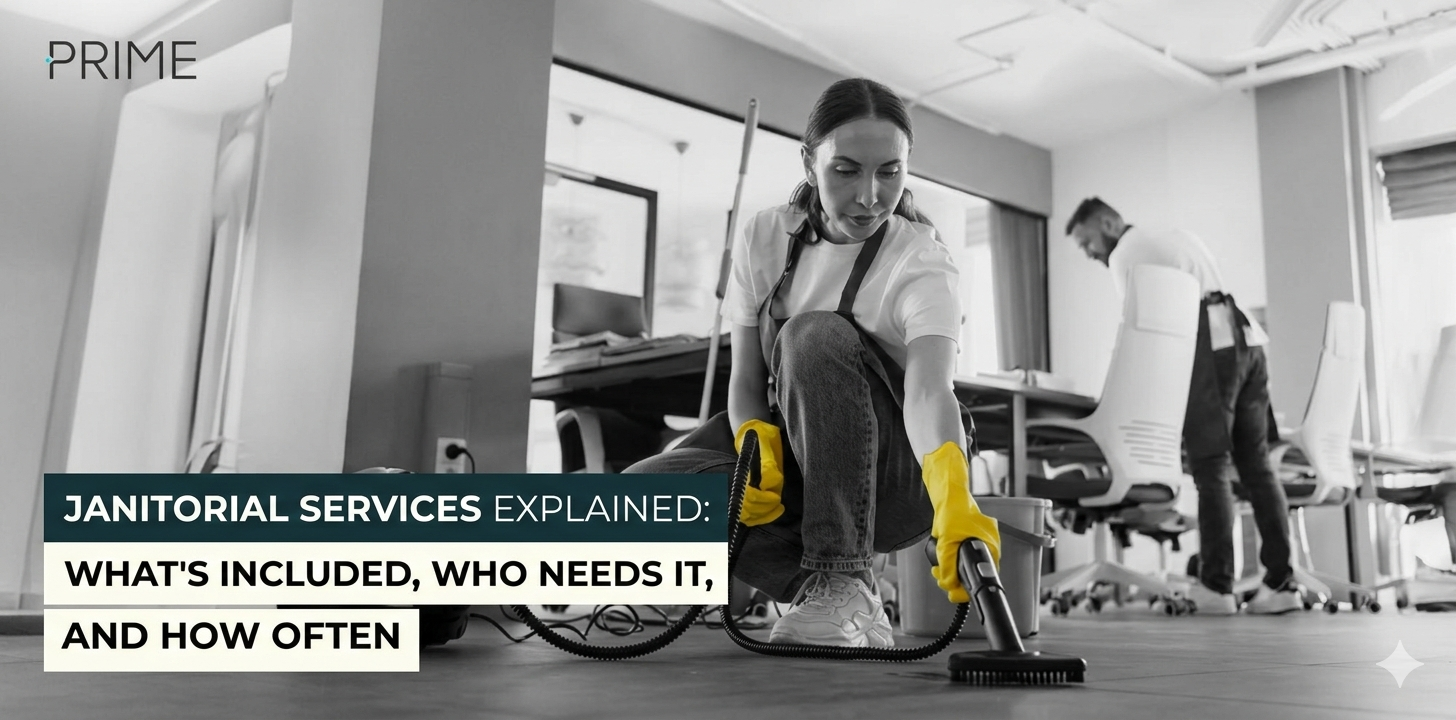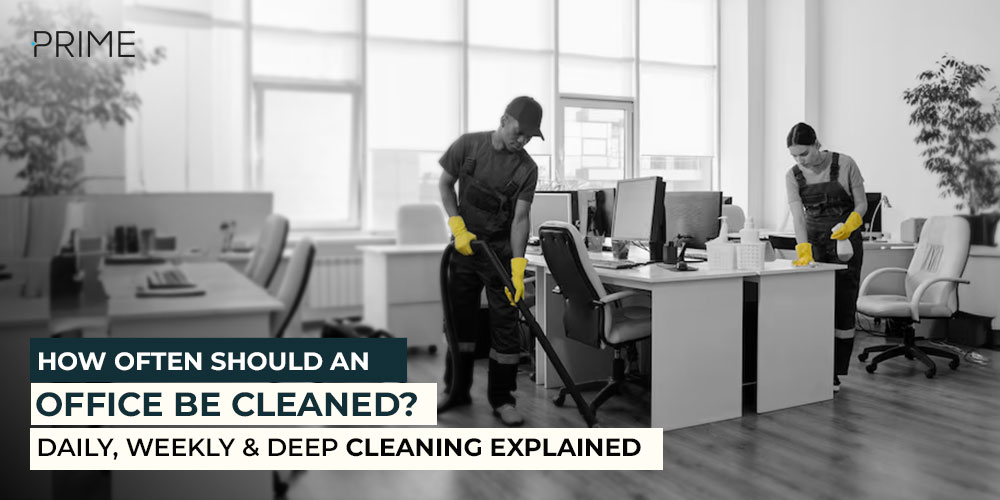
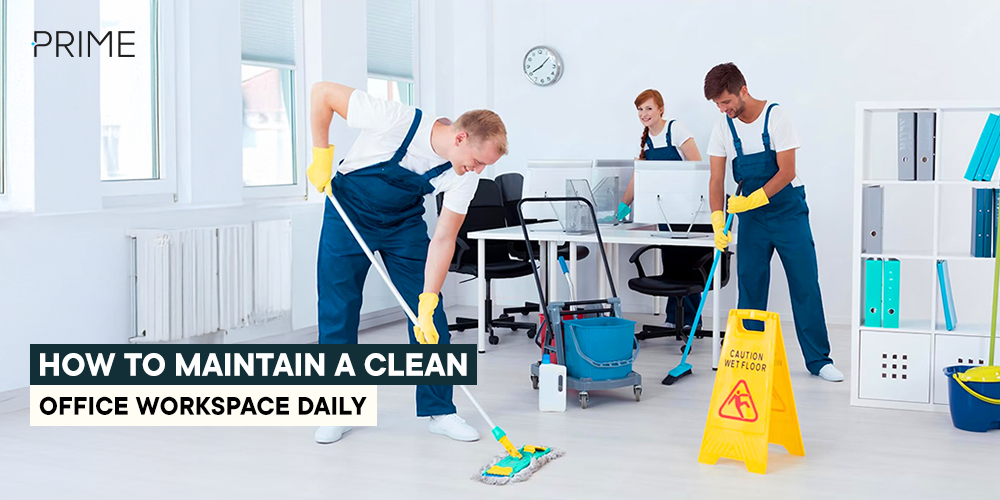

A clean office is more than serving looks. It is the core component of a productive and healthy workplace. But when you’re running a business, it can be hard to keep up with the cleaning.
At times like this, businesses hire professional cleaning services. They visit the offices at a scheduled time to perform the cleaning duties. From scrubbing floors to restocking supplies, they do it all to maintain the place’s professional image.
But what happens between those visits? The workplace doesn’t pause. People still walk in and out, beverages get spilled, and the restrooms become messy. All these add up to the accumulation of dirt, germs, and allergens, affecting the overall office hygiene.
The truth is, even if the professional cleaning teams stop by weekly or monthly, offices need daily attention. The professional cleaning agents will handle the big stuff. They will deep clean the cabinets, workstations, furniture, and floors.
But to keep things tidy daily, the in-house staff should notch up their cleaning practices. Daily dusting of desks and wiping down windows and doors will prevent dust from settling. Moreover, it will make it easier for professionals to do their jobs.
From this blog, you will learn how to keep an office clean between professional visits. Additionally, it will discuss the cleaning mistakes you should avoid, as well as expert intervention and long-term strategies to maintain a tidy workplace year-round.
Understanding the Gap Between Professional Cleaning Visits
Professional cleaning teams lay a foundation in the office. But between those sessions, some basic cleaning can make or break the workspace’s overall maintenance.
No matter if you’re scheduling professional office cleaning services weekly, bi-weekly, or monthly, a gap remains. That gap between professional cleaning visits leads to:
- Increased dust on floors
- More fingerprints on doorknobs, elevator buttons, and chair frames.
- Overflowing trash bins
- More bacteria in the workspace
As a result, your office turns from shiny to shabby. Furthermore, the grime buildup impacts employee health, air quality, and even client perception.
Imagine you’ve scheduled a professional cleaning at the end of the week, and your business partner is visiting in between the appointment. They may encounter dirt and dust everywhere, and that compromises your brand reputation.
To ensure clients step into a healthy, sparkling office, it’s better to adopt daily maintenance habits. It will prepare your office for professional teams to do their jobs better and run the workspace properly.
Deep cleaning vs. daily maintenance
Once you understand the gap when cleaning experts are not present in the office, employee cleanliness becomes your responsibility. Both deep cleaning and daily maintenance can meet the goal.
Deep cleaning includes removing buildup, thoroughly sanitizing every corner of the office, and addressing every surface. These are complex jobs that require utmost care and adherence to health and safety standards, for which professionals have expertise.
On the other hand, daily maintenance requires regular upkeep. It includes dusting desks, chairs, and countertops to remove surface dirt. Moreover, it involves regularly cleaning trash bins to prevent spills and contamination.
Deep cleaning an office also requires commercial office cleaning, which is usually done quarterly, biannually, or annually. The purpose of office deep cleaning is to remove the year-round buildup of dirt.
Daily maintenance, as the name suggests, is done regularly, weekly, or bi-weekly. The frequency depends on how fast the office gets messy. With daily maintenance, the office retains its aesthetic appeal while enabling professional cleaning teams to perform their duties more quickly and effectively.
Why “Light Neglect” Adds Up Quickly in Offices?
To maintain a clean office environment, business owners hire professional cleaning teams. As they are known to be best at their work, offices often get into the habit of “light neglect”.
But it adds up quickly in offices. Flickering lights, dusty corners, and water dripping from restroom faucets are the minor issues that people ignore in offices. All these issues create a cumulative burden that damages employees’ morale, productivity, and physical health.
Light neglect further adds up quickly because it creates a distraction in the workplace. For instance, an employee’s desk is piled up with papers. When individuals or cleaning teams don’t clear the paper load, it reduces space at the workstation. Hence, to keep the operations running, it is essential to keep the desks clean and organized.
Moreover, cleaning negligence, particularly in shared office spaces, turns high-touch surfaces into germ hotspots. It will thus increase sick days, resulting in workplace absenteeism. To prevent that, it is vital to clean doorknobs, keyboards, elevator buttons, and light switches.
How to Keep an Office Clean Between Professional Visits?
Professional cleaning teams are usually responsible for handling complex maintenance tasks. It includes cleaning inside the cabinets, office corners, and even the HVAC (heating, ventilation, and air conditioning) filters.
Their job is detailed and laborious. Hence, it sometimes takes significant time to schedule an appointment with them. Even when you secure an appointment, your office may still accumulate dust and dirt in between professional visits.
By using simple cleaning supplies and maintaining regular upkeep, you can promote productivity and cleanliness in the workplace. Moreover, here’s how to keep an office clean between professional visits:
Establishing a Simple Daily Office Cleaning System
The weekly or monthly professional office cleaning will ensure the overall maintenance of the space. But in between, it is essential to establish a daily cleaning system in the office. It doesn’t have to be as detailed as professionals.
Rather, it will include simple cleaning tasks like dusting furniture, mopping floors, cleaning visible surfaces in the kitchen and restrooms, and wiping down doors and windows. The office cleaning schedule for these tasks can take place before working hours.
In-house janitors can use such a cleaning system for daily maintenance. It will thus reduce the risk of germ spread and sick days in the office.
High-Touch Areas That Require Daily Attention
While professionals attend high-touch areas, in-house cleaning teams should also clean these zones. Doorknobs, light switches, elevator buttons, keyboards, and chair handles are surfaces that people touch more often.
Attending to them only when professional cleaning teams arrive can accumulate dust and grime. As a result, it can cause disease spread in the office. Daily disinfection of high-touch surfaces will enhance workplace productivity.
Moreover, it will enhance the space’s aesthetic when business partners or clients are visiting the office. It will thus create a better professional image.
Maintaining Cleanliness in Shared Spaces
Work desks, kitchen & cafeteria, and meeting rooms are the shared spaces in offices. These are areas where employees and other stakeholders gather daily. Thus, to keep them tidy, professional cleaning services may not be enough.
The in-between time when professionals are not cleaning should be taken into consideration. That’s when daily maintenance becomes essential. Regular dusting and wiping these surfaces can keep the dust at bay.
Furthermore, thorough sanitization can improve desk hygiene and prevent bad odors in the office. Overall, it will create a welcoming environment for people to work together.
Smart Office Cleaning Supplies That Make Maintenance Easier
Maintaining office spaces between professional visits can be tedious and time-consuming. But with the right cleaning supplies, it can be effortless.
By combining smart, innovative cleaning supplies, you can ensure a tidy, healthy workplace. The use of robotic vacuum cleaners and mops can clear off dust and debris during business hours without manual intervention.
Moreover, you can add electronic dispensers for paper towels and soaps, especially in the restrooms, to reduce cross-contamination and track usage. For disinfecting floors, bins, restrooms, and other areas, cleaning teams can use disinfectant wands. Using these wands, in-house cleaning teams can reduce germs and enhance employee well-being.
Creating an Office Cleaning Checklist That Actually Gets Used
Following a cleaning checklist is the key to keeping an office clean between professional visits. Depending on the location’s size and number of employees, create a cleaning checklist.
The ultimate office cleaning checklist will include details of the cleaning process, frequency, and supplies needed for the job. The tasks on the checklist will include daily garbage removal, mopping floors, wiping and sanitizing all surfaces, replacing restroom essentials, and so on.
It is essential for cleaning teams to follow the checklist to perform all the tasks without missing any spots. That way, you can maintain a clean and professional office environment for everyone.
Setting Clear Expectations Through Office Policies
Organizing desks and drawers, or dusting cafeteria tables, are basic tidiness tasks that every office expects. But to keep your office clean year-round, it is essential to create a strict office hygiene policy.
Business owners or property managers can collaborate with in-house janitors and professional cleaning teams to create a clear hygiene policy. Establish strict rules for wiping spills, decluttering desks, and emptying trash cans to set an example.
As staff begin to follow these office policies, it will set the stage for cleaning experts to do their job. They can attend to hidden or high-touch surfaces faster when the space already undergoes daily maintenance.
Health, Hygiene, and Compliance Considerations
Between professional cleanings, offices should also maintain office hygiene. Addressing overflowing trash bins, foul odors from restrooms and kitchens, and dusting every corner can reduce germ spread. Thus, it will create a productive work environment for all employees.
While it may be difficult for amateur cleaning staff to understand health and safety compliance, small-scale actions can get the job done right. For instance, in a medical office, using harsh chemical-based cleaning products can worsen patients’ conditions. Therefore Medical offices requires deep cleaning services.
For that, it is vital to use cleaning products that are Environmental Protection Agency (EPA)- approved. These are generally chemical-free cleaners designed for spot cleaning high-touch surfaces.
Also, ensure that the cleaning teams properly label, store, and maintain safety data sheets (SDS). These safety measures also comply with Occupational Safety and Health Administration (OSHA) protocols, ensuring your office meets sanitation standards.
Knowing When It’s Time to Call the Professionals Again
Even with daily cleaning, professional expertise becomes vital. It ensures the office is clean and well-maintained. Typically, scheduling expert cleaning teams depends on the office size and the number of people visiting the space.
Smaller offices may require bi-weekly professional cleaning. But in large office spaces, weekly cleaning becomes essential, especially as more people walk in and out of the building.
When the office restrooms produce foul odor even after daily cleaning, professionals need to take a look. Moreover, you can call such cleaning services when there are visible stains on the carpet or the upholstery looks shabby.
The cleaning agents also have years of experience addressing hard-to-reach areas such as HVAC vents, appliances, and ceilings. They will use specialized tools, including commercial vacuum cleaners, microfiber cloths, sanitizer wands, and disinfectant wipes, to properly clean these areas.
Common Office Cleaning Mistakes to Avoid Between Professional Visits
When daily maintenance alone cannot manage debris accumulation and bad odors in offices, business owners call professionals. During the professional cleaning gap, staff make common mistakes.
Recognizing and avoiding these mistakes can maintain a consistently clean and healthy workspace. Here are the cleaning mistakes that offices should avoid between professional visits:
- Using the wrong cleaning products that damage carpets, floors, or other surfaces.
- Spraying disinfectants and wiping them without letting them work.
- Neglecting hard-to-reach areas, hidden corners, and edges from mopping and sanitizing.
- Ignoring high-touch zones like desks, doorknobs, and light switches.
- Skipping daily cleaning due to busy workloads.
Long-Term Strategies for Maintaining a Cleaner Office Year-Round
After identifying the cleaning mistakes, it’s crucial to develop better strategies to maintain a cleaner office year-round. Instead of cleaning when necessary, you should adopt proactive measures to increase workplace health and safety.
That way, the office will reflect a clean, hygienic environment, increasing employee productivity and overall well-being.
Here are the strategies that organizations implement to create a cleaner office:
- Implementing daily, weekly, and monthly cleaning routines to ensure consistent office upkeep.
- Labeling trash bins for general waste, food, and recycled products to promote effective waste management.
- Investing in preventive measures like changing HVAC filters to improve quality, or restricting eating at work desks to minimize food crumbs.
- Rewarding employees who follow preventive cleanliness measures to ensure a healthy workspace.
- Training new cleaning staff on health and safety compliance, ensuring cleanliness to the highest standards.
Bridge the Cleaning Gap in Offices with Prime Cleaning Services
Office cleanliness creates a positive environment for people to work. With an increasing number of employees, upkeep becomes a challenge. That’s when expert cleaning comes to the rescue.
You schedule professional cleaning services, and they handle heavy-duty tasks, from waste management to deep cleaning high-traffic areas. But what about the time in between professional visits? That’s when the daily cleaning routine shines in the place.
Regularly dusting high-touch surfaces, scrubbing floors, and emptying trash cans help keep an office clean between professional visits. Despite these efforts, professional office cleaning remains crucial to enhance the tidiness and appearance of the space.
At Prime Cleaning Services, we provide expert cleaning solutions to businesses. Our skilled cleaning professionals analyze the requirements to perform their duties.
We conduct office cleaning using detailed checklists so we don’t miss any spot, even the hard-to-reach ones. Our cleaning teams also customize responsibilities based on the amount of work required for upkeep.
Reach out to our office cleaning services to keep the workplace shining.
FAQs
1. How often should an office be cleaned between professional visits?
An office requires daily spot cleaning in high-traffic areas such as work desks, lobbies, restrooms, and kitchens. Furthermore, to prevent dust from settling even between professional visits, it is essential to vacuum hard-to-reach areas in the office weekly.
2. Can employee-led cleaning really make a difference in office hygiene?
Yes, employee-led cleaning can make a significant difference in office hygiene. It aims to foster a culture of accountability to declutter their desks and prevent the spread of germs on high-touch surfaces. As a result, the workplace becomes more inviting and tidy.
3. What areas should employees never clean themselves?
While employees should tidy up workspaces by organizing desks and putting waste in dustbins, there are certain things they should not clean themselves. That includes HVAC systems, carpet and floors, and areas that require strict disinfection (restrooms and kitchens). These elements are special cleaning procedures and tools that employees lack. Hence, professionals are required to clean these areas.
4. Does maintaining cleanliness reduce professional cleaning costs long-term?
Yes, maintaining cleanliness reduces long-term professional cleaning costs. With daily or weekly cleaning, dust and grime don’t settle on surfaces. It thus allows professionals to deep-clean spaces faster without spending much time on surface cleaning.
5. How can small offices maintain cleanliness without a dedicated janitorial staff?
Even without a dedicated janitorial staff, small offices can maintain cleanliness by implementing a proper cleaning routine. Additionally, using the right cleaning tools and wiping down high-touch surfaces, such as light switches, doorknobs, and keyboards, helps keep the office clean.