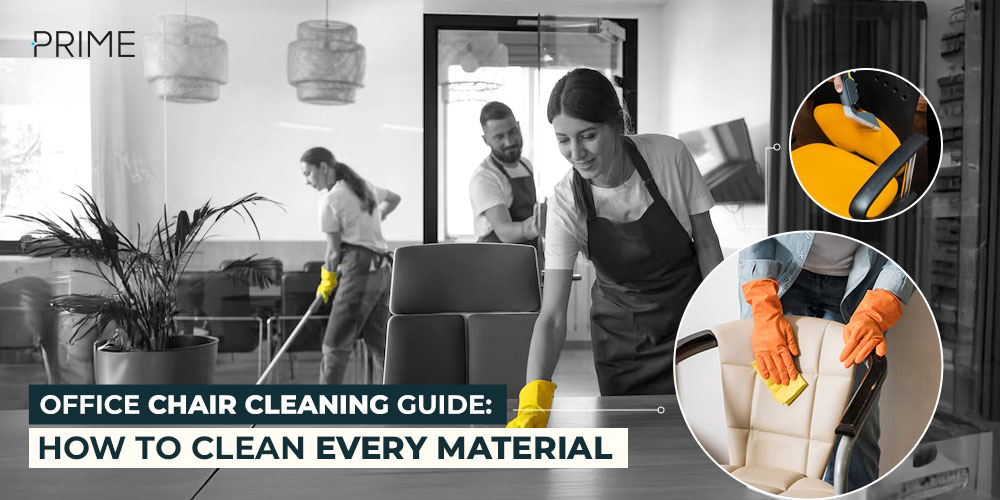

Knowing how to clean an office chair properly is essential for maintaining a hygienic, professional, and comfortable workspace. Office chairs collect dust, sweat, food crumbs, allergens, and stains over time, which can affect both appearance and indoor cleanliness. The right cleaning method depends on the chair’s material, whether it is fabric, mesh, leather, or vinyl. By following a simple step-by-step office chair cleaning guide, you can remove dirt safely, protect the upholstery, and extend the chair’s lifespan.
Key Highlights:
- Check the chair material first: Fabric, mesh, leather, and vinyl office chairs each need different cleaning methods.
- Vacuum before wiping: Remove dust, crumbs, hair, and debris from the seat, seams, armrests, and crevices first.
- Use mild cleaners only: Gentle soap, water-based solutions, or material-safe products help clean without damaging the chair.
- Spot test any solution: Test on a small hidden area before full cleaning to avoid discoloration or fabric damage.
- Clean fabric chairs carefully: Use approved fabric-safe cleaner, mild detergent, or water only if the care label allows it.
- Wipe mesh chairs gently: Use light vacuum suction and a damp cloth with mild soap to protect the mesh surface.
- Use leather-safe products on leather chairs: A microfiber cloth and leather cleaner help remove dirt without drying or cracking the material.
- Clean vinyl or PU with a damp cloth: Mild soap and soft wiping are usually enough to remove grime and surface stains.
- Don’t skip wheels and casters: Remove trapped hair, dust, and dirt to keep the chair rolling smoothly.
- Dry the chair fully after cleaning: Proper drying helps prevent odors, mold, and moisture damage.
- Avoid bleach and harsh scrubbing: Strong chemicals and rough cleaning can wear down upholstery and damage finishes.
- Clean chairs regularly: Weekly wipe-downs and deeper cleaning every 3 to 6 months keep office chairs hygienic and presentable.
How to Clean an Office Chair Step-by-Step? (Universal Method)
Office chair cleaning combines tools and cleaning supplies. Once everything is in order, the actual cleaning process begins. But it is crucial to follow a step-by-step guide to clean the office chairs. That way, you can maintain the chairs’ structural integrity.
Here’s how to clean an office chair:
Step 1 – Remove Dust, Crumbs, and Loose Debris
For amateurs, the most basic part of cleaning office chairs is removing dust, food crumbs, and loose debris. These particles can harbor bacteria on office chairs, causing respiratory issues and other conditions.
To prevent people from falling sick, it is essential to remove these elements from office chairs. Check the wheels, bases, and armrests, clean them off, and sanitize them afterwards.
Step 2 – Vacuum Upholstery, Seams, and Crevices
Once carefully removing dust particles from the visible parts of the chairs, it’s time to get into the deeper surfaces. It includes upholstery, seams, and crevices. By vacuuming these parts of the chairs, you can extend the furniture’s longevity.
The cleaning experts will use vacuum cleaners with attachments to clean upholstery, seams, and crevices. It is vital to consider the vacuum cleaner’s suction mode when removing debris, loose hair, and allergens from chairs.
Step 3 – Clean High-Touch Areas (Armrests, Headrest, Seat Edges)
Apart from the seats in office chairs, armrests, headrests, and edges are hotspots for contamination. Not only that, individuals with their sweaty hands may touch the armrests, giving them a dull appearance. Hence, cleaning the high-touch surfaces is crucial.
The in-house cleaning agents use microfiber cloths to clean these areas. Later, they spray disinfectants to minimize the risk of infections and maintain a professional image in the workplace.
Step 4 – Wipe Down the Chair Frame and Base
Sitting in office chairs often collects body oils, dust, and stubborn grime. To give it a clean look, wipe down the chair frame and base.
The cleaning professionals can use microfiber cloths to keep the lint away from the base and frame. Following the cleaning codes, they will use the necessary cleaners to clean the frames and chair bases. For instance, if the chair has a metal frame, use rust-resistant cleaning solutions to prevent corrosion.
Step 5 – Proper Drying to Prevent Odors and Mold
After wiping down the chair frames and bases, it’s time to dry the office chairs. Damp chairs can create odor and mold around the base. Cleaning professionals can use dehumidifiers to remove moisture from chairs, helping them dry quickly.
Furthermore, for proper drying, the cleaning personnel should do the task at the end of the workday or when the office is closed during holidays.
How to Clean an Office Chair by Material Type? (Detailed Expert Guide)
Following the universal method for cleaning office chairs will increase their appeal and improve workplace hygiene. For precise cleaning, it is crucial to check the chair’s material type.
A fabric chair requires a different cleaning process than a leather chair. From ensuring the color stays intact to maintaining the structure, every tool and cleaning technique varies depending on the material type.
Here we will discuss how to clean an office chair depending on the varied materials:
How to Clean a Fabric Office Chair?
Fabric chairs can be tricky to clean. It is vital to check the cleaning codes and determine whether you can wash with water or if a solvent is required to clear stubborn spots.
If you hire professional cleaners, they will test the cleaning products before getting down to business. The following are the ways to clean a fabric office chair:
- Sprinkle some baking soda and leave it for a few minutes. It will make the chairs odor-free.
- The professionals will use vacuum cleaners with attachments to remove debris, food crumbs, and baking soda residue.
- Amateurs shall check the cleaning codes present beneath the chair. These codes will outline the type of cleaners to use for the fabric. For instance, if the tag says W, it means you can clean the fabric chair with water only.
- Upon finding stains on the chairs, it is vital to use a combination of cool water and mild laundry detergent. But if the fabric is water sensitive, dry cleaning is a good option.
- For water-based solvents, use a clean towel to wipe off the water from the chair, then let it dry.
How to Clean a Mesh Office Chair?
Compared to fabric, mesh chairs are easy to clean. They are typically made of polyester or nylon fibers, which are lighter than fabric.
However, even when you clean a mesh chair, you need to follow these tips:
- Use a gentle mode to vacuum the chair without damaging the mesh. It will help remove large debris, dust, dirt, and sweat from the chair, making it hygienic for everyone’s use.
- After the chair is free of dry dust particles, mix mild soap with lukewarm water and wipe down the frames and bases. That way, you can remove stubborn grime and stains from the mesh chairs.
- Use a damp cloth to remove excess soap, improving the chair’s appearance.
- Allow the chair to air dry to prevent mold in the structure.
How to Clean a Leather Office Chair?
Leather chairs can also be tricky to clean, like the fabric ones. Use excess water to clean high-touch areas; otherwise, blow-drying can damage crevices. It is thus vital to clean the chairs properly.
Here’s how you can clean a leather office chair:
- To remove dirt and food crumbs, use a neutral-colored microfiber cloth. It will absorb all the dust particles and prepare them for thorough cleaning.
- Opt for gentle cleaners with proper water balance to avoid damaging the material. Usually, professional-grade cleaners can help tidy up the chairs, making them stain-free.
- Use a vacuum cleaner to clean hard-to-reach areas, such as crevices and cracks.
- For a final touch-up, wipe the chair with a damp towel and let it dry.
How to Clean Vinyl or PU Office Chairs?
Vinyl or polyurethane (PU) is a softer material than leather. Many offices have these chairs in conference rooms or executive rooms because of the luxurious feel. It is thus essential to clean them with utmost care to extend their lifespan and enhance their appeal.
Below are the ways to clean a vinyl or PU office chair:
- Use a damp cloth to remove dust and grime from the chair. Ensure to cover the base and frames too.
- Once the dust particles are removed, use mild soap/detergent, water, and a soft-bristle brush to scrub stubborn grime from the wheels.
- For stains, use specialized vinyl cleaners and remove them from the chairs.
- To finish the process, spray disinfectant on the chairs and keep germs and allergens at bay.
Tools & Supplies Needed to Clean an Office Chair
Once you check the material, cleaning tags, and structure, make sure to clean the office chair without damaging it. For that, it is essential to use the right cleaning tools and supplies. Your in-house cleaning staff may use solvent-based cleaners or simply water to clear the edges, but that’s not enough.
Sometimes you need more advanced cleaning tools to reach the hard-to-reach crevices that are a problem with mesh or fabric chairs. Here are the tools and supplies that you should consider while cleaning office chairs:
- Soft-bristled brush
- Gentle cleaning solution
- Warm water
- Microfiber cloths
- Lint roller
- Compressed air cans
- Vacuum cleaners
- Stain removers
- Leather conditioners
Things to Check Before You Clean an Office Chair
Understanding the importance of cleaning office chairs can increase overall workplace productivity. For office chair maintenance, you need to know the material to understand the cleaning process.
The cleaning techniques that work for mesh office chairs may not work for the leather counterparts. You should therefore follow a comprehensive office cleaning checklist for the upkeep of chairs as well.
The checklist will include different areas in the office and the furniture, including the chairs that require utmost cleaning attention. While we are discussing cleaning office chairs, the following are the things that you need to check before cleaning them:
- Office chairs come with cleaning tags. Your in-house cleaning teams can look under the seats to check the cleaning instructions and codes. For instance, clean a chair with a water-based tag only with water. Using solvents or a vacuum can cause damage to the material. Hence, following the codes is crucial.
- Another thing that you should check before chair upholstery cleaning is the material. Since vinyl, leather, or mesh is a unique material, chair maintenance will also differ from the others.
- Your cleaning team should perform a spot test before pouring the cleaning solution onto a wide surface, such as the armrest seat edges. Check whether the solution is causing any discoloration, then make an informed decision.
- Maintaining office chairs also requires conducting a structural inspection. Ensure your in-house cleaning personnel check for loose bolts and screws. Once everything is set, they should check the chair lift mechanism for stability before spraying water, as this can damage the chair.
- The cleaning team should vacuum the crevices to remove dust and grime. It will enhance the chair’s appearance and the overall office environment.
- Your in-house cleaning agents shall identify and remove stains from the office chair. If it requires any pre-treatment, they can consider it.
Why Cleaning Your Office Chair Matters More Than You Think?
People sitting in office chairs don’t really pay much attention to the cleanliness. It is only when they see grime stuck at the base of the chair or dust spiralling in the wheels of the chairs that cleanliness becomes a necessity.
But waiting for someone else to spot dirt stuck in office chairs can raise questions about your office’s cleaning standards. Moreover, it compromises workplace productivity and aesthetics.
The following are the reasons cleaning office chairs is an essential chore:
- Office chairs in shared spaces can accumulate dust and allergens, which can trigger allergies. As a result, productivity could decrease. To reduce allergy risks, properly sanitize the office chair.
- Regularly cleaning and sanitizing office chairs goes beyond hygiene. It also enhances the chair’s comfort by removing dust and debris that can interfere with its mechanism, especially in ergonomic chairs.
- An untidy office chair with sweat marks can be distracting, making it uncomfortable for the workers to sit. A clean office chair can therefore help individuals focus on their tasks without mere distractions.
- The constant accumulation of dirt and spills leads to premature wear and tear on your office chairs. To maintain the materials or fabric of the chairs, regular cleaning is vital. It enhances the look of the chairs and saves you from frequent replacements and repair costs.
- A dirty office chair can detract from the space’s professional image. Keeping them clean thus ensures an inviting office environment and increases the functionality of the furniture piece.
How to Clean Office Chair Wheels, Base, and Casters?
While paying attention to the material is crucial for cleaning an office chair, it is also vital to inspect the wheels, base, and casters. These chair elements attract significant dirt, which can disrupt movement, especially on wheels and casters.
For better visibility, cleaning teams usually turn the chairs upside down. After that, they remove the casters from the base and use tweezers to de-tangle any loose hair that may have gotten stuck in them. Furthermore, they can use a precise brush to remove stubborn dirt from wheels, casters, and the base.
As the dirt and hair on the ground, cleaning experts would use vacuum cleaners to remove them. Once done, use cleaning solutions and microfiber cloths to clean any grease at the base or casters. Finally, the professionals will wipe down the structures to enhance their functionality and appearance.
Common Office Chair Cleaning Mistakes to Avoid
Deep Cleaning office chairs requires removing dust, wiping them down with the right cleaners and microfiber clothes, and drying them. Overall, it’s a simple task. But individuals often make mistakes in performing these tasks.
They may not use the right cleaner for the purpose or forget to disinfect it after cleaning. In such a scenario, you can seek help from professional cleaning services.
Be it home office chair cleaning or a full-fledged company with hundreds of chairs, these experts will follow all necessary steps to give the chairs a more aesthetic presence.
No matter what, to ensure effective office chair cleaning, here are the common mistakes that one should avoid:
Use of bleach and harsh solvents:
These elements can discolor the upholstery. Instead of using bleach or harsh solvents, use mild cleaning solutions to remove dirt and stains.
Skipping spot test:
Often, individuals apply cleaners directly to the chair’s visible parts. If it’s a metal frame, regular use of the cleaners can lead to rust. Hence, conducting a spot test is vital.
Aggressive scrubbing:
Scrubbing upholstered chairs aggressively can fray the fabric or wear down mesh or leather. Instead, scrub the high-touch areas and base gently to remove dust and stains.
Not drying properly:
After cleaning the chairs, it is essential to dry them properly. Damp chairs can cause odors, and applying direct heat to dry the chairs can damage the materials. Hence, you should use a cloth to wipe off excess moisture and let it air dry.
Ignoring cleaning codes:
Not checking the chair tags for material-specific cleaning damages the chair. Hence, it is imperative to check the labels and clean the chairs accordingly.
How Often Should You Clean Your Office Chair?
As you avoid common office chair cleaning mistakes, it becomes crucial to know how often to clean these chairs. For a quick wipe down, weekly cleaning is effective. But for deep sanitization, consider cleaning them every 3 to 6 months.
The tasks also differ in terms of weekly or monthly cleaning. For instance, for regular office chair maintenance, the duties will include rapid dusting, vacuuming upholstery, and wiping down armrests.
When it comes to monthly office cleaning, the professionals focus on deeper sanitization. They will remove casters from the base and clear off dirt and loose hair. In addition, they will wipe down high-touch areas and spot-clean to remove stubborn stains.
Sparkle Up Your Office Chairs with Prime Cleaning Services
Office chairs are often the most neglected part of the cleaning routine. But a well-maintained office chair creates a positive image for your workers and the business. Thus, knowing how to clean an office chair can also enhance the workplace’s professional image.
From removing dust, allergens, and food crumbs from the chairs to drying them, it’s a whole process. Additionally, you need to keep the chair’s material in mind to prevent wear and tear.
As these can be tedious, seeking professional help can be effective.
At Prime Cleaning Services, we have skilled cleaning experts who can take your chair cleaning to a whole new level. With fabric-safe cleaning techniques, we ensure your chairs stay clean and free of fraying.
We also use steam cleaning and an effective stain-removal process to properly treat dirt and marks without damaging the chair’s structure. Furthermore, with our advanced vacuum cleaners and hot-water extractors, the upholstered furniture and carpets look as good as new.
Explore our carpet and upholstery cleaning to give your office chairs a glow-up and ensure they function effectively.
Office Chair Cleaning Guide: FAQs
1. Can I steam clean an office chair safely?
Yes, you can steam clean an office chair. In fact, it is the best way to clean a fabric- or leather-covered office chair. Such a practice will remove dirt, dust, and odors from furniture without using harsh chemicals.
2. What’s the best way to remove bad odors from an office chair?
Using a generous amount of baking soda in an office chair can eliminate odors. To prevent deep soda stains, wipe them up quickly with a damp towel before they set in the chair.
3. Is it safe to use vinegar or baking soda on office chairs?
Yes, vinegar or baking soda is safe for most office chairs. However, its suitability mainly depends on the material. For instance, these elements are suitable for fabric or mesh chairs but can damage leather if used incorrectly.
4. How long should I wait before using my office chair after cleaning?
You should wait at least 4 hours after cleaning before using it. The time will allow the chairs to dry naturally and eliminate dampness that may create mold at the base and casters.
5. Can a dirty office chair cause skin or allergy problems?
Yes, office chairs can absolutely cause skin issues and allergy problems. Since office chairs are used for more than 6-8 hours a day, they accumulate dust, sweat, body oils, and even food crumbs. These elements are breeding grounds for bacteria and allergens that cause skin issues and allergies.
6. What is the safest way to clean an office chair if I don’t know the material?
If you don’t know the material, the safest way to clean an office chair is to vacuum its armrests, headrest, crevices, and edges. Also, you can use a damp cloth and gentle soap to spot-clean, preventing stains and dust particles.
7. Can I use disinfectant wipes on my office chair every day?
Yes, you can use disinfectant wipes on office chairs. However, the everyday use of disinfectant wipes can fray fabric or mesh chairs. Instead, you can use them to spot clean or during illness seasons.